
Showing Concrete Plants for Your Projects
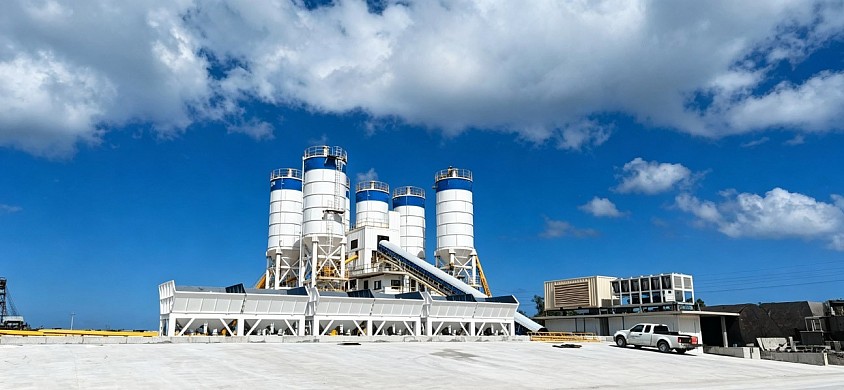
How Ready Mix Concrete Plants for Sale Deliver Precision and Speed
Efficiency and accuracy are the cornerstones of modern construction, where timelines are tight and quality standards are non-negotiable. Ready mix concrete plants have become indispensable assets, ensuring that large-scale projects meet stringent requirements without delays or inconsistencies. By integrating advanced batching technology, automated processes, and high-capacity output, these plants redefine the concrete supply chain. Their ability to deliver precise mixtures at an accelerated pace transforms the way infrastructure, commercial buildings, and residential developments are executed.
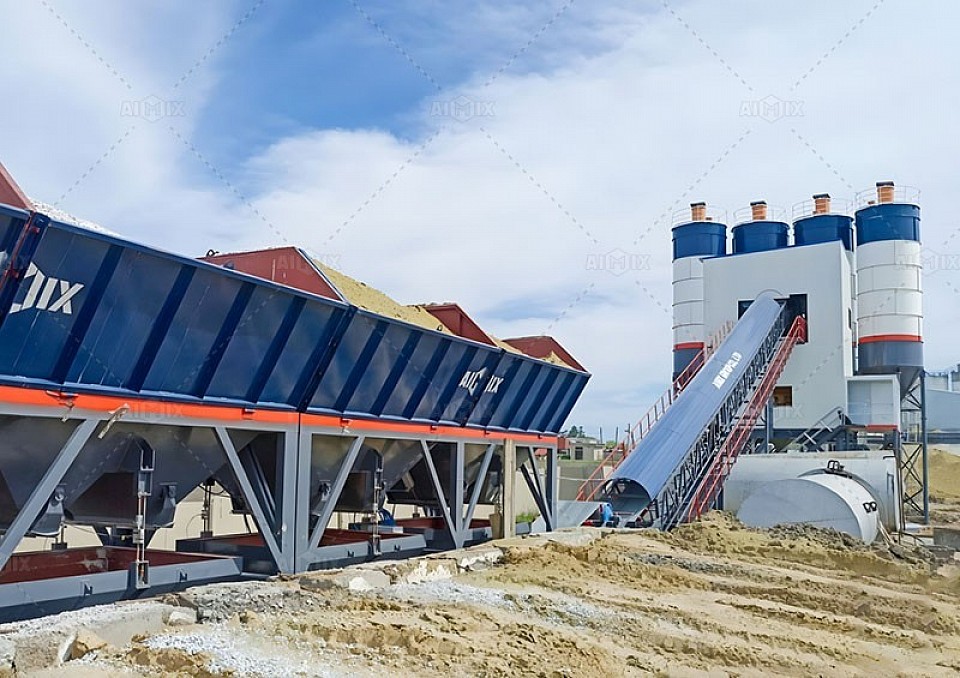
Optimized Batching for Unmatched Accuracy
Computerized Control Systems for Precision
Traditional concrete mixing methods often struggle with maintaining consistency across multiple batches, leading to variations in strength and durability. Ready mix concrete plants, however, utilize automated control systems that meticulously measure each ingredient—cement, aggregates, water, and admixtures—to ensure uniformity. By eliminating human error, these computerized batching systems uphold quality control and significantly reduce material waste.
Real-Time Adjustments for Tailored Mixtures
Construction projects demand customized concrete compositions to meet specific structural and environmental conditions. Advanced concrete plant for sale offers real-time modification capabilities, allowing operators to adjust mix ratios instantly. Whether a project requires high-strength concrete for load-bearing structures or rapid-setting formulas for time-sensitive applications, these plants guarantee the precise formulation needed for optimal performance.
Improved Efficiency and Cost-Effectiveness
Large-Capacity Mixers for Continuous Output
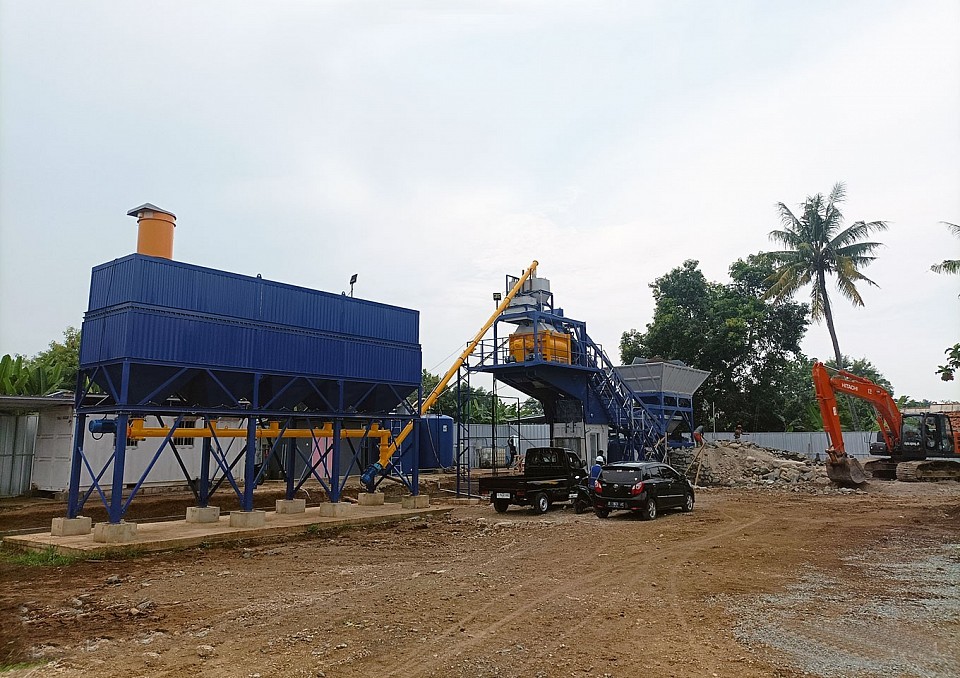
In fast-moving projects, concrete supply bottlenecks can lead to costly downtime. Equipped with high-capacity twin-shaft and planetary mixers, ready mix plants streamline the production process, ensuring continuous supply without disruptions. These robust systems facilitate rapid blending while maintaining homogeneity, allowing for faster construction cycles without sacrificing concrete integrity.
Automated Material Handling for Efficiency
Efficiency in concrete production extends beyond mixing. Integrated material handling systems, such as automated aggregate conveyors and cement silos, enhance the speed of operations. By reducing manual labor dependency and optimizing resource flow, these features minimize delays and operational inefficiencies, ensuring that every batch meets construction deadlines without deviation.
Strategic Logistics for Seamless On-Site Delivery
Fleet Coordination for Timely Distribution
Even the most advanced batching plant is ineffective without a synchronized distribution system. Ready mix plants employ GPS-enabled fleet management to track mixer trucks in real time, ensuring just-in-time deliveries that align with on-site requirements. This level of coordination prevents congestion, waiting time, and premature setting of concrete during transport.
Specialized Transit Mixers for Consistency
The final challenge in delivering ready mix concrete lies in preserving its workability during transit. Modern portable concrete plants for sale integrate specially designed transit mixers that continuously agitate the material, preventing segregation and maintaining an optimal slump. This ensures that every cubic meter of concrete arrives at the job site in peak condition, ready for immediate application.
By merging technological precision with high-speed production and strategic logistics, ready mix concrete plants set the benchmark for efficiency in construction. Their ability to deliver customized, high-quality concrete at an accelerated pace not only optimizes project execution but also reinforces the foundation of modern infrastructure development.
New Concrete Batching and Pumping Plant Price: Why Does One Integrated Unit Cost Less?
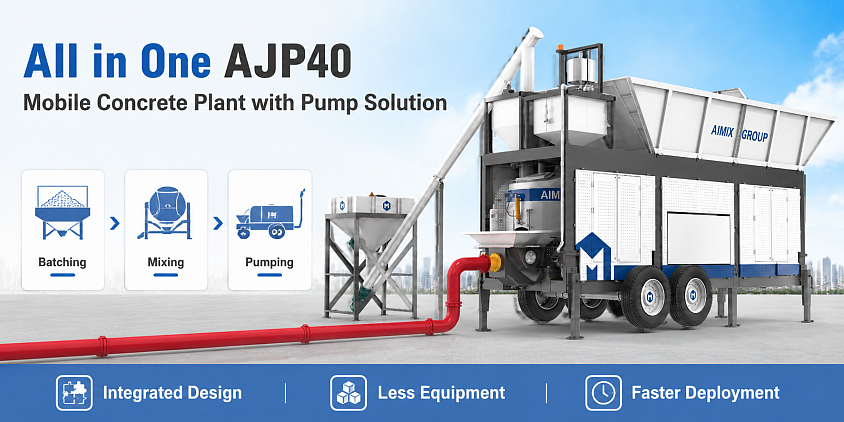
When comparing concrete equipment, a new concrete batching and pumping plant may initially appear more expensive than a conventional concrete batching plant or concrete pump purchased separately. However, the purchase price of a machine does not represent its complete cost. A proper comparison must account for transportation, installation, labor, site preparation, maintenance, and the time required to move concrete between production and pumping stages. An integrated batching and pumping plant combines these functions within one equipment system, allowing concrete to be produced, mixed, and pumped directly at the construction site. This configuration can reduce several secondary expenses and, under suitable project conditions, create a lower overall cost than operating separate equipment.
The apparent contradiction between a higher equipment price and a potentially lower project cost comes from the difference between purchase price and total operating cost. Separate equipment may offer a lower initial price for individual machines, but the complete system requires more supporting resources. An integrated unit changes that cost structure by reducing equipment interfaces, concrete transportation, and site logistics. For contractors evaluating a new pumping concrete batching plant price, the more meaningful question is therefore not simply how much the machine costs, but how much the entire concrete production and delivery process will cost over the project lifecycle.
What Determines the Price of an Integrated Batching and Pumping Plant?
Equipment Configuration Has a Direct Influence on Price
The price of a new concrete batching and pumping plant depends on its production capacity, pumping capacity, mixing system, automation level, power configuration, and chassis design. A compact unit designed for smaller construction sites will naturally have a different price from a higher-capacity system intended for continuous infrastructure work.
The integrated structure itself also influences manufacturing cost. Batching, mixing, and pumping components must operate as a coordinated system rather than as completely independent machines. Material flow, hydraulic systems, control systems, and structural components therefore need to be designed around their interaction.
Price Should Be Compared With the Complete Equipment Package
A quoted price can be misleading if two equipment configurations are not being compared on an equivalent basis. A separate-equipment arrangement may require a batching plant, concrete pump, mixer trucks, electrical installation, foundations, and additional auxiliary equipment.
An integrated plant consolidates several of these functions. As a result, its purchase price may appear substantial when compared with a single batching plant, but the comparison becomes different when the cost of the complete concrete production system is calculated.
How One Integrated Unit Can Reduce the Total Project Cost
Eliminating the Concrete Transportation Stage
One of the most important economic advantages is the reduction of concrete transportation. In a conventional workflow, concrete is batched at one location, loaded into mixer trucks, transported to the construction area, and then discharged into a concrete pump.
This process creates recurring costs. Trucks require fuel, drivers, maintenance, scheduling, and road access. Long transportation distances can increase the cost of every cubic meter of concrete delivered to the project.
An integrated portable concrete batching plant for sale produces concrete at or near the construction point and sends it directly into the pumping system. Removing the intermediate transportation stage can therefore reduce the operating cost associated with fresh concrete delivery.
Lower Installation and Site Preparation Cost
A conventional stationary batching plant can require foundations, aggregate storage areas, access routes, power connections, and other supporting infrastructure. These preparations add to the real project cost even though they may not appear in the equipment quotation.
A mobile integrated unit generally requires a more compact working area and can simplify mobilization. For temporary projects, remote construction, and projects with changing work locations, avoiding extensive site preparation can make a substantial difference to the overall cost.
Fewer Machines Can Mean Lower Labor Cost
Separate batching and pumping systems normally require several equipment operators and additional coordination between production and delivery. Mixer trucks add another layer of personnel and scheduling.
By consolidating multiple functions, an integrated unit can reduce the number of equipment interfaces that need to be managed. The potential labor cost reduction depends on the specific configuration and local wage conditions, but the operational principle is straightforward: fewer independent machines generally require less coordination.
When the Integrated Configuration Offers the Strongest Economic Advantage
Remote and Difficult-to-Access Construction Sites
Transportation cost becomes increasingly important as the distance between a batching plant and construction site increases. Remote projects may also face poor roads, limited truck availability, or difficult terrain.
In these situations, a mobile batching and pumping plant can establish a localized concrete supply point. The equipment moves closer to the construction operation, reducing the logistical burden associated with transporting freshly mixed concrete over long distances.
Small and Medium-Sized Concrete Projects
Large infrastructure projects with very high concrete demand may benefit from a centralized batching plant supported by a fleet of mixer trucks and independent pumps. For smaller projects, however, such a system can introduce unnecessary equipment and operating cost.
An integrated unit can be better matched to moderate production requirements. Instead of building a large concrete supply chain around the project, contractors can use one machine to handle several critical stages.
Projects With Limited Construction Space
Urban construction sites, building foundations, bridge works, and restricted industrial areas may not have enough room for separate batching, truck circulation, and pumping zones.
A compact integrated configuration can reduce the spatial requirement and simplify site organization. Lower space demand may indirectly reduce the cost of temporary infrastructure and improve the utilization of the available working area.
How to Compare Price and Lifecycle Cost Before Purchasing
Look Beyond the Initial Purchase Price
The initial price is important, but it should be evaluated together with transportation, installation, labor, fuel, maintenance, depreciation, and potential downtime. A machine with a lower purchase price can become more expensive if it requires substantial supporting equipment throughout the project.
Consider the Cost Per Cubic Meter
A useful analytical approach is to estimate the complete cost of producing and placing each cubic meter of concrete. The calculation should include equipment ownership or rental, energy, labor, transportation, maintenance, and other project-specific expenses.
This method provides a more meaningful comparison than examining equipment price alone. If an integrated unit reduces transportation and labor costs sufficiently, its higher initial price may be recovered through operating savings.
Match the Plant to the Actual Project Requirements
The cheapest equipment is not automatically the most economical equipment. Capacity that significantly exceeds actual demand may increase unnecessary capital cost, while insufficient capacity can create delays and productivity losses.
The best purchasing decision balances production capacity, pumping requirements, mobility, project duration, site conditions, and expected utilization. For contractors considering a new concrete batching and pumping plant price, the decisive metric is ultimately the total cost of delivering concrete efficiently from raw material to final placement.
The cost of concrete batching plant with pump is less than individual equipment. By combining batching, mixing, and pumping, it can reduce transportation, installation, labor, and site-management expenses. The economic value therefore lies not simply in the equipment price, but in the workflow that the equipment replaces.